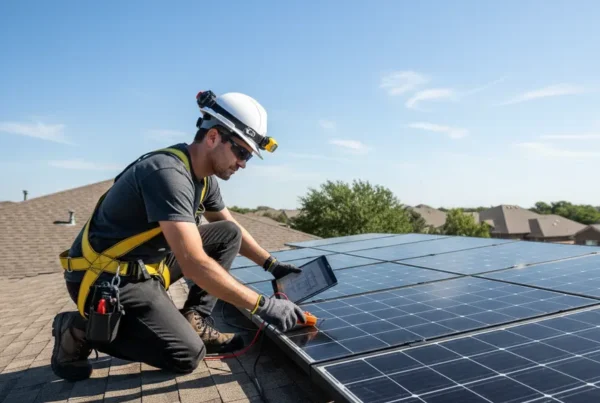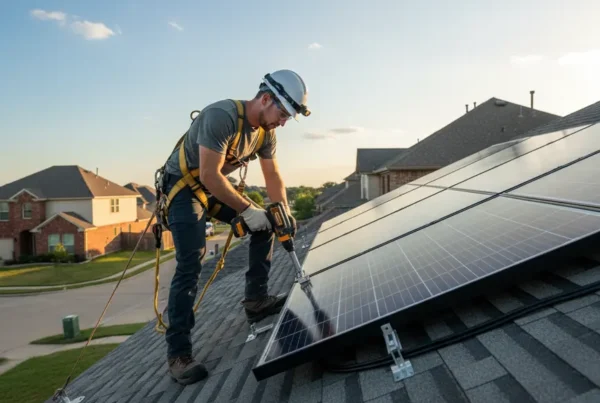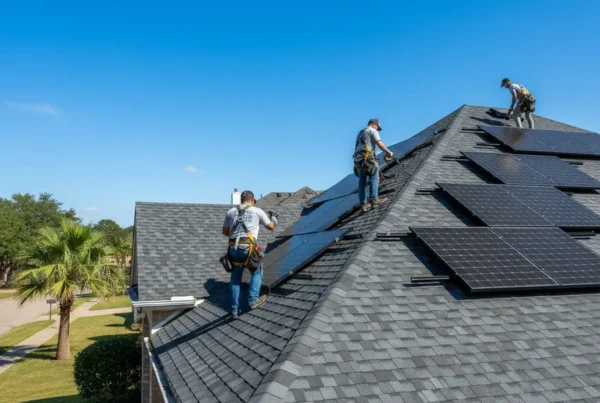

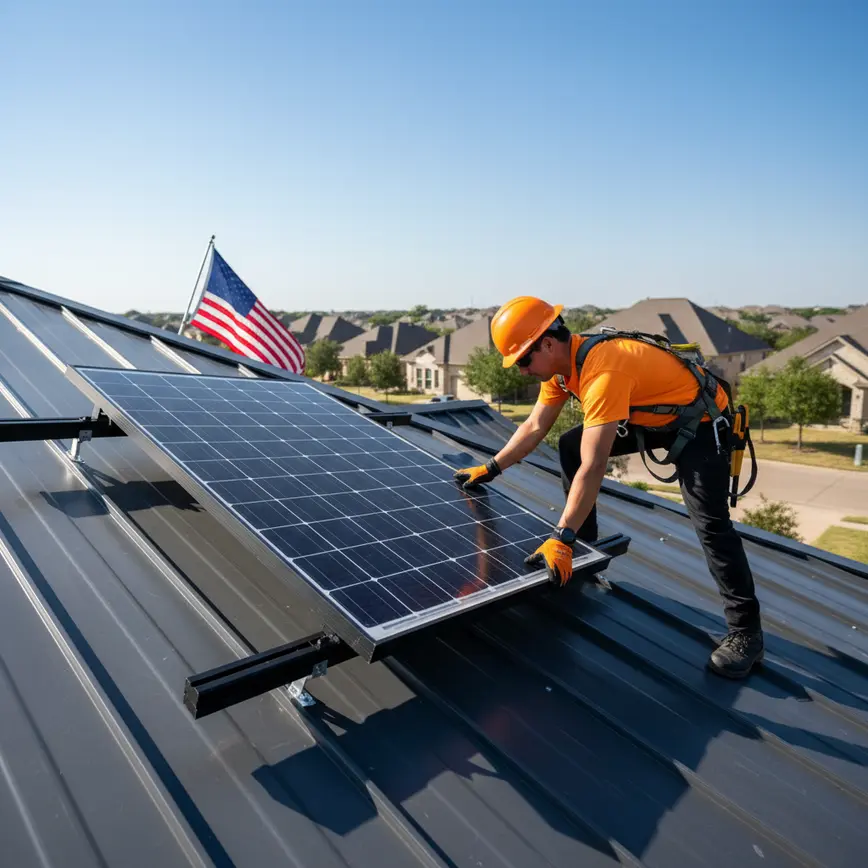

Can Solar Panels Be Reinstalled on a Metal Roof in Dallas Fort Worth?
Solar panels can indeed be reinstalled on a metal roof in the Dallas Fort Worth area, depending on the roof type and condition. Remove Solar Reset, led by Master Electrician Fernando Alegre (License #40730), specializes in this process with 9+ years of experience. Our team expertly manages each reinstall, ensuring your panels are securely mounted to prevent any damage. Call (469) 283-1089 for a free consultation.
In This Article
Updated: February 2026
For homeowners in the DFW Metroplex looking at metal roofs for their solar panel systems, the installation and reinstallation processes involve unique considerations.
As of February 2026, various studies highlight the growing popularity of solar systems on metal roofs, particularly in areas like Fort Worth and Dallas.
Fast, Safe, Reliable Solar Panel Removal & Reset — Done Right, Every Time. Protect Your Investment Today. Call (469) 283-1089 or Request an Appointment.
Can Solar Panels Be Reinstalled on a Metal Roof in Dallas Fort Worth?: What Homeowners Should Know
Yes, homeowners can reinstall solar panels on metal roofs in the Dallas Fort Worth area. Metal roofs, particularly standing seam varieties, are actually favorable for solar panel installations due to their durability and longevity. For solar panel relocations or reinstallations, it’s essential to work with qualified professionals who understand both the structural nuances of metal roofs and the required safety protocols. In DFW, the average costs associated with solar panel reinstallation can range between $2,000 to $5,000, depending on the system size and specific installation requirements. For tailored advice and options, visit our hub on solar panel reinstallation.
It’s important to note that in addition to hiring a licensed contractor, adhering to the manufacturer’s specifications is key to maintaining your warranties, especially after removing panels from a metal roof.
Professional Removal Methods and Standards
Remove Solar Reset follows strict OSHA standards, ensuring that all our installations meet the necessary safety regulations. We use a thorough 42-point inspection to ensure quality at every step. Our team consists of certified professionals including Master Electricians who are trained according to the latest guidelines from leading manufacturers such as Tesla, Enphase, and SolarEdge. You can learn more about our meticulous process by visiting our process page.
Common Solar Panel Removal Mistakes to Avoid
Removing solar panels can be tricky, especially on metal roofs where mistakes can lead to costly repairs. Here are some common pitfalls to avoid:
- Hiring Unlicensed Contractors: Only hire a TECL licensed contractor for solar panel removal to ensure compliance with Texas regulations.
- DIY Removal: Attempting to remove panels yourself can void warranties and lead to damage.
- Not Informing Utility Providers: Always notify Oncor or your utility provider before disconnecting, as this is a safety requirement.
- Skipping Documentation: Carefully document all damage with photographs for potential insurance claims.
Step-by-Step Safe Solar Panel Removal Process (Case Study Included)
Our removal process typically includes:
- Initial Site Inspection: We assess your system and roof type to provide accurate estimates.
- Utility Coordination: We work with Oncor to ensure that all safety protocols are followed.
- Safety Setup: We install fall protection systems before the work begins.
- Panel Disconnect: Panels are carefully disconnected following all manufacturer protocols.
- Safe Detachment: Using specialized tools, panels are detached without causing roof damage.
- Storage and Transport: Panels are securely stored or transported as per the client’s requests.
- Final Inspection: A thorough 42-point checklist verifies everything is in order.
In a recent project in Arlington, our team successfully removed a solar system of 30 panels over two days. Using advanced safety measures, we ensured that there was zero damage to the metal roof throughout the process.
Why Choose Remove Solar Reset
Choosing Remove Solar Reset means selecting a partner with more than 9 years of experience in the solar industry. We are able to provide:
- Master Electrician License #40730.
- Certified installations from Tesla, Enphase, and SolarEdge.
- Full general liability and workers’ compensation insurance.
- 10-year workmanship warranty on every job.
- Rapid response and comprehensive documentation for all projects.
For more trustworthy information, visit our about us page and explore how we stand out from competitors.
DIY vs Professional Solar Panel Removal Comparison
| Aspect | DIY Removal | Professional Removal |
|---|---|---|
| Safety & Compliance | High risk without proper training | Fully OSHA compliant with certified professionals |
| Warranty Protection | Voids manufacturer warranties | Maintains manufacturer warranty requirements |
| Roof Damage Risk | High risk of damage, costly fixes | Minimal risk, trained to avoid damage |
| Documentation | None, complicates any insurance claims | Comprehensive documentation for claims |
| Cost | Lower upfront but risky | Transparent pricing with zero hidden risks |
Best Time to Remove Solar Panels
The ideal times for removing solar panels are during the spring and fall when temperatures are mild, ensuring both safety and efficiency. The hail season in DFW, which peaks from March to June, often leads to increased demand for installation and removal services. Following the recent 2025 Texas storms, we are seeing heightened awareness of the need for professional removal services. For emergency needs, our team is available year-round.
Frequently Asked Questions
The average cost for solar panel removal in Texas typically ranges from $2,500 to $4,500 depending on your system’s size, with many homeowners in DFW finding their fee falls between these numbers. Factors such as roof type can influence the final price. Remove Solar Reset provides free estimates to assess costs accurately. Find out more here.
Contacting a professional solar removal company like Remove Solar Reset is the safest way to have your panels removed. Our licensed electricians will assess your system, disassemble and remove panels, and ensure everything complies with local regulations. Schedule your removal today by calling (469) 283-1089 or visit our appointment booking page.
The cost for removing solar panels varies based on several factors including the size and complexity of the installation. On average, DFW homeowners pay between $2,000 and $6,000 for removal services. However, for an accurate quote, it’s best to contact us for a free estimate. Our team will provide dedicated support for your solar Panel project.
While it’s legally possible to remove solar panels yourself, it’s highly discouraged due to safety concerns and potential liability. Without a TECL license, you could be violating Texas law and voiding your manufacturer warranty. Our licensed professionals ensure safe removal, complying with all regulations and protecting your investment. Learn more about why professionals are necessary.
Typically, removing solar panels from a residential roof takes between 4 to 8 hours, depending on system size and roof access. Larger systems may require more time. Our team prioritizes efficiency and safety to minimize operational downtime. For a detailed estimate, contact us today!
When performed by experienced professionals like those at Remove Solar Reset, removing solar panels should not damage your roof. We follow strict manufacturer guidelines to ensure that your roofing system remains intact. Additionally, we provide a 10-year warranty on workmanship to guarantee quality. Please feel free to (469) 283-1089 to learn more.
Uninstalling solar panels for roof replacement involves several steps, including coordinating with your utility company for a safe disconnection, carefully removing brackets and panels, and storing them securely until they can be reinstalled. Remove Solar Reset specializes in detach-and-reset services to ensure your roof is protected and your solar system is preserved. Explore our steps in detail.
Yes, old solar panels can often be recycled, and many manufacturers now offer recycling programs. Recycling not only helps reduce waste but can also reclaim valuable materials used in the panels. When you remove your panels, ask your contractor if they have programs for recycling to ensure proper disposal. Contact us for guidance on sustainable options.
Often, insurance can cover solar panel removal if it’s necessary due to storm damage. Coverage varies by policy, so it’s best to consult your insurance agent to understand your specific situation. Additionally, keep a record of damage with photographic documentation to aid in your claim process. For more resourceful tips on claims, visit our insurance page.
A reputable solar removal company should have a TECL license, verified insurance, and certifications from industry leaders like Tesla, Enphase, and SolarEdge. Always check for reviews and ask for credentials before hiring a company for your project to ensure you’re working with a qualified team. For more on our qualifications, visit our about us page.
Removing solar panels involves inherent risks, such as falls and electrical hazards, so using trained professionals is crucial for safety. Our team at Remove Solar Reset follows OSHA guidelines to minimize risks and ensure safe operation. For peace of mind, contact our licensed professionals at (469) 283-1089.
Many solar removal services, including Remove Solar Reset, offer reinstallation as part of their packages. It’s vital to ensure the team you hire understands the specifics of solar systems to maintain warranties and efficiency upon reinstallation. Contact us to inquire about our removal and reinstallation services.
Thorough documentation is critical when filing insurance claims for solar panel removal. Take clear photographs of all areas affected before and after removal, and compile a detailed report of the removal process including timestamps and conditions. For more detailed resources, visit our insurance documentation page.